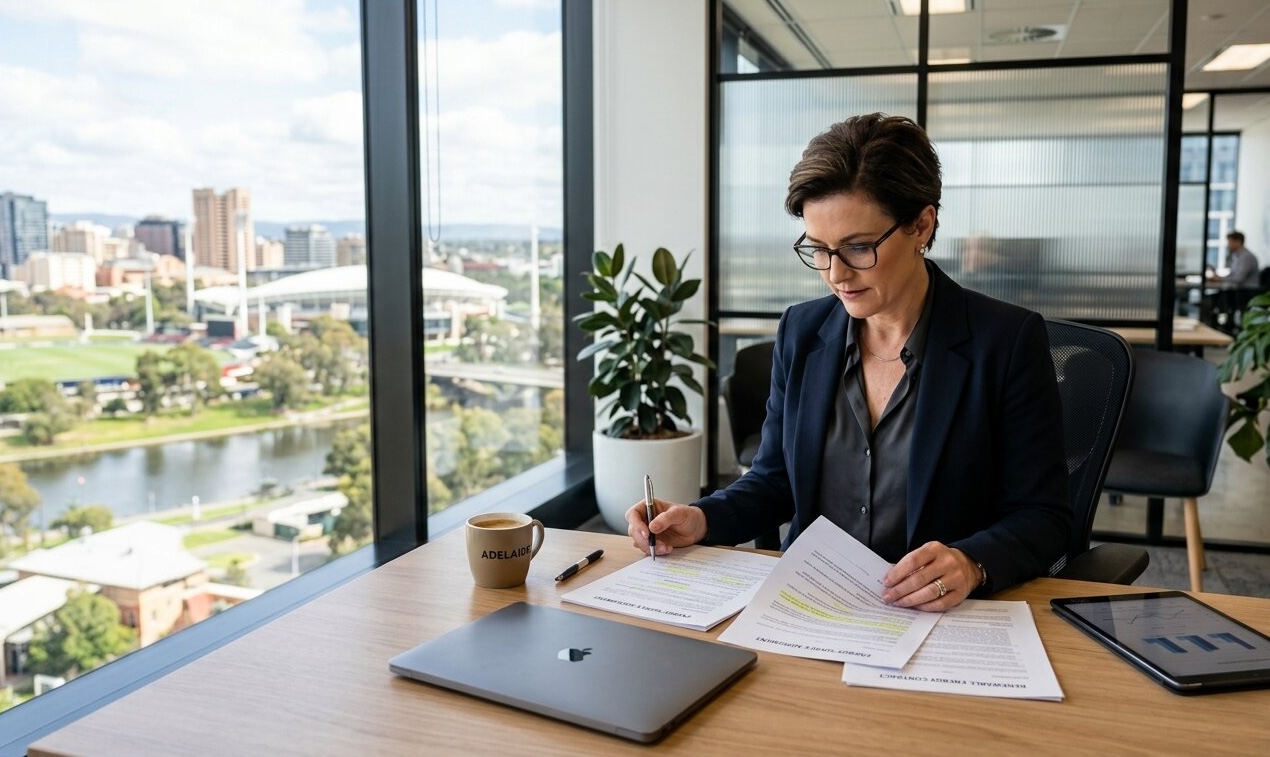
The best commercial energy broker Adelaide operates commission-free, meaning they earn money only when they save you money, unlike traditional brokers who receive hidden commissions from energy retailers. This fundamental difference creates aligned interests where your broker actively pursues the lowest possible rates rather than the highest commission. Adelaide businesses using commission-free brokers typically save 15-20% more than those using traditional commission-based services.
Adelaide's energy market presents unique challenges with South Australia experiencing the highest wholesale electricity prices in Australia, averaging $109 per MWh according to the Australian Energy Regulator. This volatile market, heavily dependent on renewable generation and gas peaking plants, creates both risks and opportunities for commercial energy users. Professional brokers navigate these complexities, timing contract negotiations to capture favorable market conditions.
The distinction extends beyond payment structures. Top-tier brokers leverage technology for continuous market monitoring, automatically identifying better deals as they emerge. Traditional brokers often set and forget, leaving clients on outdated contracts as market conditions improve. With Adelaide's rapid renewable energy transition creating frequent price movements, active management becomes essential for maintaining competitive rates.
How Much Can Adelaide Businesses Actually Save with Professional Energy Brokerage?
Adelaide businesses working with Termina save an average of $2,000+ annually, with larger operations achieving significantly more; Betty's Burgers saves $100,000 yearly through strategic procurement and the Pharmacy Collective achieved 15.7% savings across their operations. These aren't theoretical projections but actual results from businesses managing real operational costs in South Australia's challenging energy environment.
Consider specific pricing examples from Adelaide's market. Businesses on SA Power Networks' business tariffs often pay peak rates exceeding 45c/kWh, while strategic procurement can access rates below 20c/kWh for the same usage periods. That 25+ cent difference per kilowatt hour translates to thousands in annual savings for even modest commercial operations.
The savings multiply for businesses with multiple sites or high energy usage. Manufacturing operations, cold storage facilities, and 24/7 businesses see the highest absolute savings due to their consumption volumes. However, even small professional offices and retail shops benefit from accessing wholesale rates unavailable through direct retailer negotiations.

Why Do Adelaide Businesses Face Higher Energy Costs Than Other Australian Cities?
Adelaide businesses face Australia's highest energy costs due to South Australia's unique generation mix, with limited baseload power and heavy reliance on gas generation during peak periods, causing wholesale prices to spike regularly above $300/MWh. The state's ambitious renewable targets, while environmentally positive, create price volatility as wind and solar output fluctuates. Interstate transmission constraints limit access to cheaper power from Victoria during high-demand periods.
South Australia's energy transformation leads the nation, with renewables providing over 60% of annual generation according to the Australian Energy Market Operator. While this positions Adelaide at the forefront of clean energy adoption, it creates short-term pricing challenges as the market adapts to variable generation patterns.
The South Australian Government acknowledges these challenges, implementing various support programs for businesses. However, navigating available rebates, understanding time-of-use pricing, and optimizing consumption patterns requires expertise most business owners lack. Professional energy brokers bridge this knowledge gap, turning market complexity into savings opportunities.
What's the Difference Between Working with All Retailers vs Panel-Only Brokers?
Brokers with full market access compare rates from every licensed retailer in South Australia, while panel brokers only present options from their preferred partners who pay the highest commissions, potentially missing 40-60% of available deals. This limitation means panel brokers might show you three options when fifteen exist, dramatically reducing your chances of finding the best rate. Full market access becomes especially important in Adelaide's concentrated retail market.
Adelaide's retail energy market features fewer players than eastern states, making comprehensive coverage even more critical. Missing just one or two retailers could mean overlooking the best available rates. The Australian Competition and Consumer Commission has raised concerns about limited broker panels restricting competition and inflating prices.
Termina maintains relationships with all retailers operating in South Australia, from major players like AGL and Origin to smaller specialists offering competitive rates for specific business types. This comprehensive approach ensures Adelaide businesses access every available option, not just those generating the highest broker commissions.
How Does Solar Integration Work with Commercial Energy Brokerage in Adelaide?
Adelaide's exceptional solar resource, averaging 5.0 peak sun hours daily, makes commercial solar highly attractive, with professional brokers incorporating solar analysis to optimize grid procurement around self-generation patterns. Smart brokers model your consumption against potential solar output, structuring grid contracts to complement on-site generation. Current feed-in tariffs around 5-8c/kWh mean maximizing self-consumption delivers the best returns.
The integration goes beyond simple solar installation recommendations. Professional brokers analyze how solar changes your grid requirements, potentially shifting you to different tariff structures or retailers better suited to prosumers. Some Adelaide businesses achieve 40-50% grid energy reductions through well-designed solar systems.
However, solar doesn't suit every situation. Businesses leasing premises, those with unsuitable roof structures, or operations with minimal daytime usage might find grid optimization delivers better returns. The Clean Energy Council provides guidelines for commercial solar assessment, which professional brokers incorporate into comprehensive energy strategies.

What Specific Challenges Do Adelaide Manufacturers Face with Energy Costs?
Adelaide manufacturers confront demand charges that can exceed 50% of total energy costs, with SA Power Networks' demand tariffs penalizing peak usage severely, requiring sophisticated load management strategies to minimize costs. These businesses often see monthly demand charges exceeding $10,000 based on just 30 minutes of peak usage. Professional brokers help restructure operations and negotiate contracts that minimize these punitive charges.
The challenge intensifies for energy-intensive manufacturing processes. Food processors, metal fabricators, and plastic manufacturers face difficult choices between operational efficiency and energy cost management. Running equipment during expensive peak periods might optimize production but devastate energy budgets.
Termina's data shows Adelaide manufacturers achieving 20-30% cost reductions through strategic procurement combined with operational adjustments. This might involve negotiating capacity-based contracts, implementing load-shifting technologies, or accessing special manufacturing tariffs unavailable to general commercial users.
How Quickly Can Adelaide Businesses Switch to Better Energy Deals?
Most Adelaide businesses can switch retailers within 10-15 business days, faster than eastern states due to SA's streamlined market processes, with zero supply interruption during the transition. Termina handles all paperwork, coordination, and ensures your new contract starts seamlessly. The only delay factors are existing contract terms or special metering requirements.
The switching process has improved significantly following Australian Energy Market Commission reforms. Previously, businesses faced lengthy delays and complex procedures. Now, standardized processes enable rapid transitions between retailers, empowering businesses to capture market opportunities quickly.
Your physical energy supply remains completely unaffected throughout the switch. SA Power Networks continues delivering electricity regardless of your retailer choice. This separation between network infrastructure and retail billing eliminates any risk of supply disruption, making switching purely a financial optimization exercise.
What Role Does Battery Storage Play in Adelaide Commercial Energy Strategy?
Battery storage increasingly complements Adelaide commercial energy strategies, with businesses using batteries to avoid expensive peak demand charges and maximize solar self-consumption, though current economics typically suit only high-demand users. Batteries can reduce demand charges by 30-50% for suitable businesses, with payback periods ranging from 5-8 years. Professional brokers model battery economics alongside grid procurement strategies.
Adelaide leads Australia in battery adoption, driven by high energy costs and excellent solar resources. The South Australian government's Home Battery Scheme, while residential-focused, demonstrates strong policy support for storage technologies. Commercial applications follow similar principles but require careful economic analysis.
Not all businesses benefit equally from batteries. Those with consistent baseload demand might find grid optimization delivers better returns than capital-intensive storage investments. Professional brokers evaluate your specific usage patterns, demand charges, and solar potential to determine whether batteries enhance your energy strategy.

Why Should Adelaide Businesses Avoid Long-Term Fixed Energy Contracts?
Adelaide's rapidly evolving energy market makes long-term fixed contracts risky, with renewable expansion and new transmission projects likely to reduce wholesale prices significantly over 2-3 year periods, potentially stranding businesses in above-market rates. Historical data shows businesses locked into 3-year contracts during 2021's price spike now pay 40% above current market rates. Flexible contracting enables capturing benefits from SA's energy transition.
The state's energy landscape changes faster than any other Australian jurisdiction. New wind farms, solar projects, and the proposed EnergyConnect transmission line to NSW will fundamentally alter supply dynamics. Businesses committed to long-term contracts miss these structural improvements.
Energy Consumers Australia recommends maximum 24-month contract terms in volatile markets like Adelaide's. This balances price certainty with flexibility to capture improving market conditions. Professional brokers structure contracts with built-in review periods, ensuring you're never trapped in unfavorable arrangements.
How Does Termina's Automatic Switching Technology Benefit Adelaide Businesses?
Termina's technology continuously monitors Adelaide's volatile energy market, automatically switching your business to better deals as they emerge without any manual intervention required from you. This "set and forget" approach proves especially valuable in SA's dynamic market where prices can shift dramatically based on renewable generation patterns. Our platform has switched Adelaide clients to save an average of $2,000 annually.
The automation solves a critical problem for busy Adelaide business owners. Even those who initially secure competitive rates often end up overpaying as market conditions improve. Manual monitoring requires constant attention and expertise most businesses lack. Termina's technology handles this complexity, ensuring your rates remain competitive indefinitely.
Our switching decisions incorporate multiple factors specific to Adelaide's market, including renewable generation forecasts, gas price movements, and network congestion patterns. By processing thousands of data points, we identify optimal switching opportunities human analysis would miss, delivering consistent savings without ongoing effort.
What Hidden Charges Should Adelaide Businesses Watch for in Energy Contracts?
Adelaide businesses frequently encounter hidden network charges, environmental certificate costs, and "market volatility adjustments" that can add 20-30% to advertised rates, with some contracts including punitive exit fees exceeding $10,000. Metering charges, credit check fees, and "account management" costs often appear in fine print. Professional brokers identify and negotiate removal of these unnecessary charges.
South Australian contracts sometimes include unique charges related to system security costs and renewable integration fees. These can appear under various names, making them difficult for businesses to identify without expert knowledge. Some retailers bundle these into headline rates, while others add them as separate line items.
The complexity increases for businesses with multiple sites or varied usage patterns. Each location might attract different charges based on network zones, connection types, and consumption profiles. Professional brokers ensure complete transparency, providing detailed breakdowns of all charges before you commit to any contract.
FAQ
Q: How does Adelaide's renewable energy transition affect commercial energy prices?
A: Adelaide's renewable transition creates short-term price volatility but long-term opportunities. While immediate prices might spike during low wind/solar periods, increasing renewable capacity will ultimately lower average wholesale costs. Businesses with flexible procurement strategies benefit most from this transition.
Q: Can Adelaide businesses access interstate energy deals through brokers?
A: No, businesses must purchase from retailers licensed in South Australia. However, some national retailers offer better rates in SA to gain market share. Professional brokers ensure you access all available options within SA's market, including national retailers' most competitive local offers.
Q: What happens to my solar feed-in tariff if I switch energy retailers?
A: Your feed-in tariff rate might change when switching retailers, as each offers different rates. Current Adelaide commercial feed-in tariffs range from 5-8c/kWh. Brokers factor feed-in revenues into total cost calculations, ensuring switching decisions consider both consumption and generation.
Q: How do demand charges work for Adelaide businesses?
A: Demand charges bill your highest 30-minute average power draw each month, regardless of total consumption. Adelaide businesses often see demand charges exceeding 50% of total bills. These can reach $30-50 per kW monthly, making demand management crucial for cost control.
Q: Is it worth switching energy brokers if I already have one?
A: If your current broker charges commissions or only works with limited retailers, switching to a commission-free, full-market broker like Termina typically generates additional savings of 10-20%. We regularly help businesses save thousands more than their existing brokers achieved, particularly those stuck with panel-only brokers.